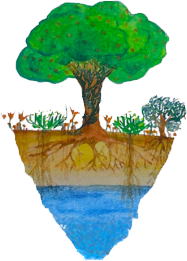

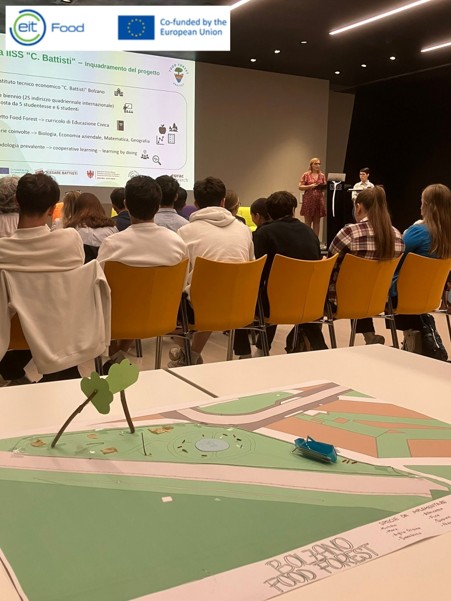
As part of theFOOD FOREST project, collaboration with schools and educational centres inSpain, Estonia, Italy and Portugal is proving to be one of the key actions forcreating a lasting and transformative impact within our communities.
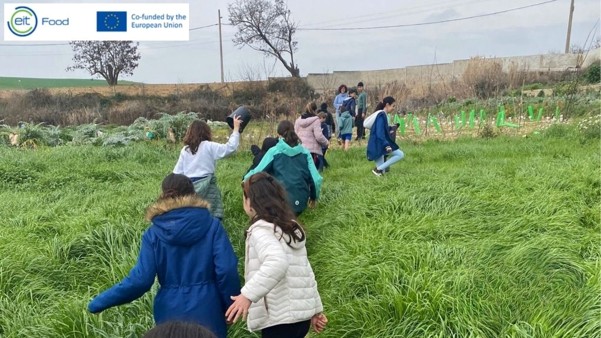
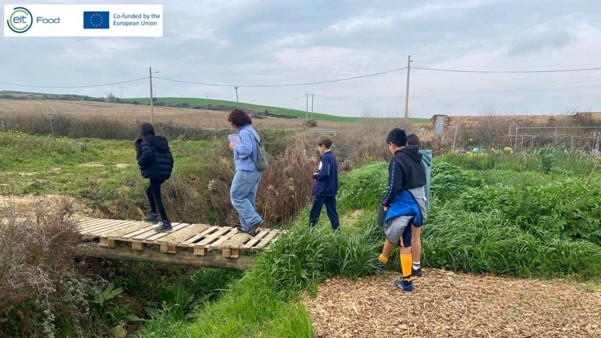
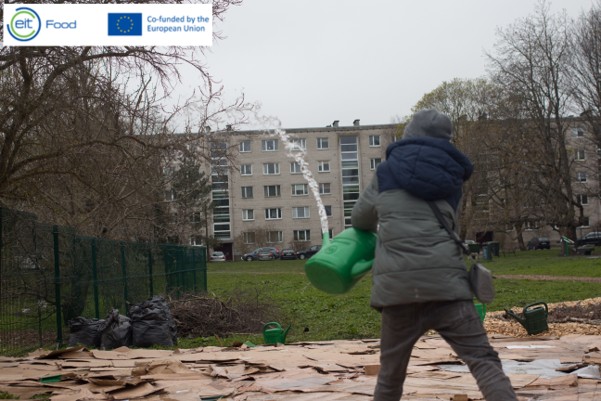
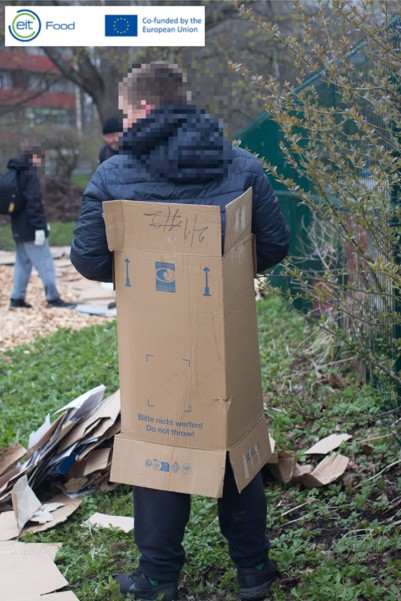
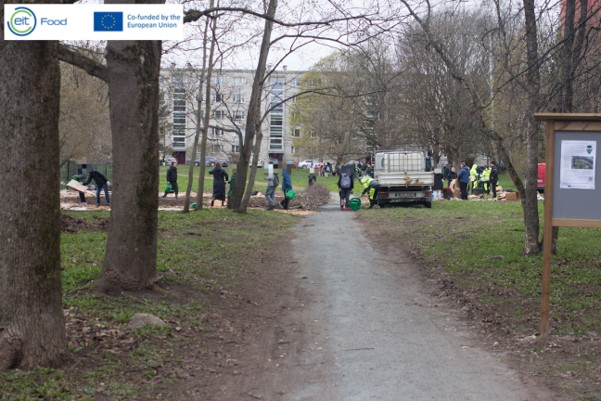
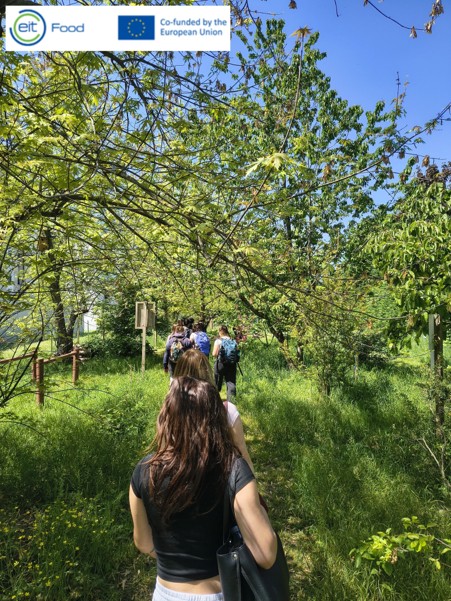
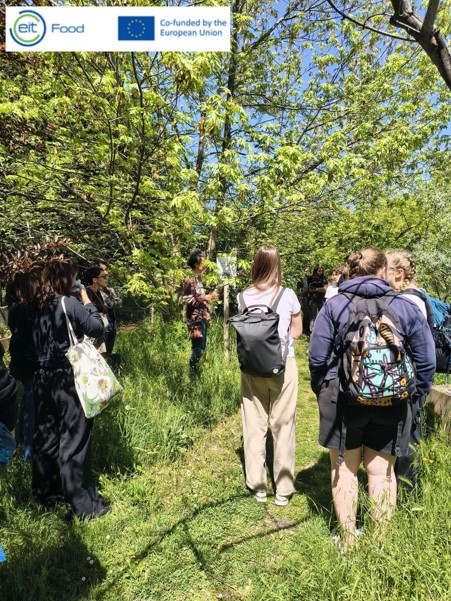
Food forests are not only productive spaces but also living learning environments where students can connect directly with nature, understand ecological cycles, and explore alternative sustainable models of food production. Through visits, hands-on workshops and participatory activities, young people can become active agents in the transition towards more resilient and environmentally responsible systems.
Working witheducational centres enables us to:
Across allparticipating countries, school-based activities are proving to be an importanttool for sharing the values of the FOOD FORESTproject, adapting to each local context while pursuing a shared goal: empoweringfuture generations as active contributors to the ecological transition.
Investing in education is planting the seeds of the future, and in FOOD FOREST, we do soquite literally.

FOOD FOREST is a European initiative creating and testing Community Food Forests as living spaces for regenerative food production, ecological restoration, education and social innovation.Through pilot sites in Artajona and Tallinn, partners from across Europe work with local communities to develop knowledge and models that can be replicated and scaled.
Connecting Community Food Forests, projects and practitioners across Europe.
welcomes collaboration with institutions, researchers, practitioners, communities and organisations working on regenerative landscapes, food systems and community-led innovation.
Rotary Forests supports FOOD FOREST as a Strategic Benefactor, contributing economic, technical, creative and infrastructure resources to the project and its digital platform.